Home Projects
What We’re Looking At Here
Over the past few years, I’ve worked on a handful of projects around the house that have genuinely changed how we use the space. These aren’t massive renovations—they’re thoughtful updates that got chosen because they solve actual problems and hold up to real use. Each one taught me something about what to prioritize when a contractor comes in, what questions to ask before committing, and how to spot the difference between work that looks good on day one versus work that’s still solid five years later. I’m sharing them here because if you’re standing where I was—looking at your home and wondering what’s worth doing—these examples might help you figure out what matters to you.
What to Notice
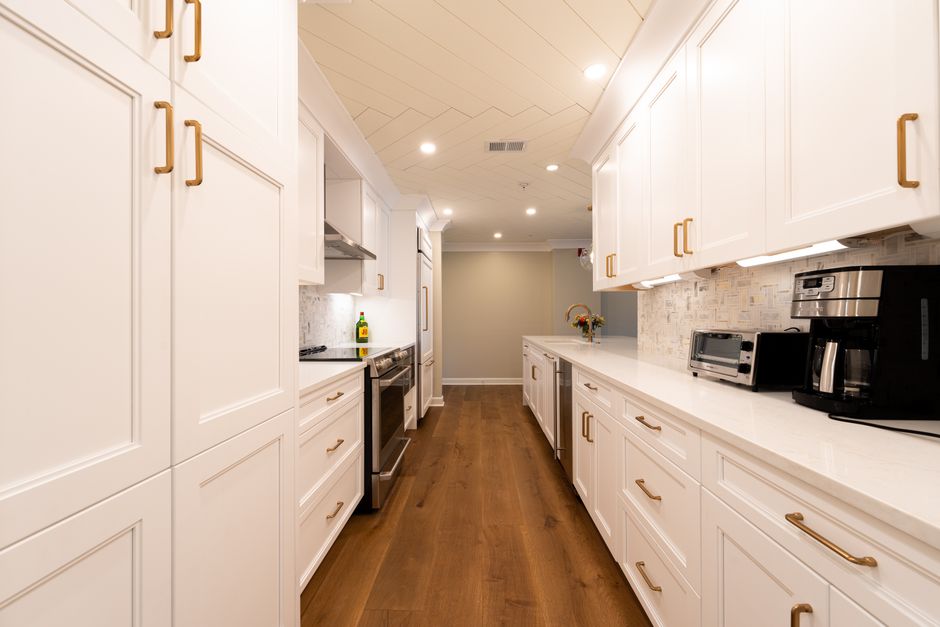
The Selection at a Glance
| Project | Scope | Why This One |
|---|---|---|
| Kitchen Renovation | Cabinets, counters, and appliances | High daily use meant we learned fast what holds up |
| Interior Painting | Three rooms, color selection, finish quality | Taught us how professional finish differs from DIY effort |
| Bathroom Remodel | Fixtures, tile, plumbing updates | Moisture and longevity were the focus—wrong choices fail fast |
| Hardwood Floors | Subfloor prep, installation, finish | Prep work determined whether it looked right years later |
How Each Was Chosen
- Started with the problem. Not “we want new cabinets” but “we can’t find anything because this layout wastes space.” Fix the actual problem, and the project naturally gets narrower and smarter.
- Asked contractors what they’d do differently. If you’re hiring someone, listen to what they’d change if this was their home. The answer tells you whether they’re thinking about your daily life or just closing the job.
- Picked materials based on daily use, not showroom glamour. That tile is slightly less fancy but handles moisture. That paint finish stands up to a kitchen. Those hardware finishes don’t show fingerprints because we have kids.
- Checked references and past work. Not just photos—talked to people who’d lived with the work for a year or two. Day-one looks different than year-three looks.
- Built in a contingency budget. Every project has surprises. The ones that went smoothest weren’t the ones with no surprises; they were the ones where we had room to say yes to a better fix when we found a problem.
Why These and Not Others
We’ve had other work done over the years, but these are the ones worth talking about because they’ve held up and because they solved the right problem. The kitchen renovation works because we nailed the actual issue—storage and flow—before we picked a style. The painting job holds up because the contractor cared about surface prep, not just paint brand. The bathroom remodel is solid because we prioritized moisture control over trend-chasing. The hardwood floors look right because the subfloor was properly prepped before a single board went down.
These projects aren’t perfect. But they work. And that’s what I’d rather see than projects that look impressive on the day they’re done but need redoing in three years. If you’re planning something similar, I hope walking through how we chose and what we learned helps you make decisions that will hold up just as well.